
5 Reasons Your Business Just Dropped in Google Maps (And Why This Matters)

5 Reasons Your Business Just Dropped in Google Maps (And Why This Matters)
You wake up, grab your coffee, and do what you do every morning: you check how your business is looking online. For months, you were right there at the top. When someone searched for a "plumber near me" or a "lawyer in [Your City]," your name was the first thing they saw.
Then, seemingly overnight, you’re gone. You haven’t moved offices. You haven’t changed your phone number. You certainly haven't stopped doing great work. But suddenly, your phone isn't ringing as much, and your competitors: some of whom you know don't have half the reputation you do: are sitting in your old spot.
If your business just dropped in Google Maps results, you aren't imagining things. And you aren't alone.
At Kudzu Digital, we see this happen to established, successful local service businesses all the time. You’ve spent years building a solid reputation through word-of-mouth, but when you become invisible in Google Maps, that predictable growth starts to fizzle out.
Showing up in Google Maps isn't just about vanity; it’s about being there at the exact moment a customer is ready to act. If you’ve seen a slide in your rankings, here are the five most likely reasons why: and why you need to address them before the invisibility quietly caps your growth.
1. The "Open Now" and Proximity Shift
Google’s main goal is to provide the most relevant answer to a user’s question. Recently, they have placed a massive emphasis on "convenience" and "real-time availability." This has led to two major shifts in how businesses show up in Google Maps.
First, there is the "Open Now" factor. Google increasingly favors businesses that are currently open at the time of the search. If you are an HVAC company that closes at 5:00 PM, and a customer searches for "AC repair" at 5:30 PM, you might drop significantly in the local search results on Google Maps compared to a competitor who lists 24/7 emergency hours.
Second, proximity weighting has become much tighter. Google is looking closer at exactly where the searcher is standing. If your competitor is even half a mile closer to the customer, they might leapfrog you, even if your business has more reviews and a better website.
Why this matters: If your visibility is tied strictly to your physical office and your standard 9-to-5 hours, you are missing out on high-intent "emergency" or "after-hours" leads that your competitors are gobbling up.
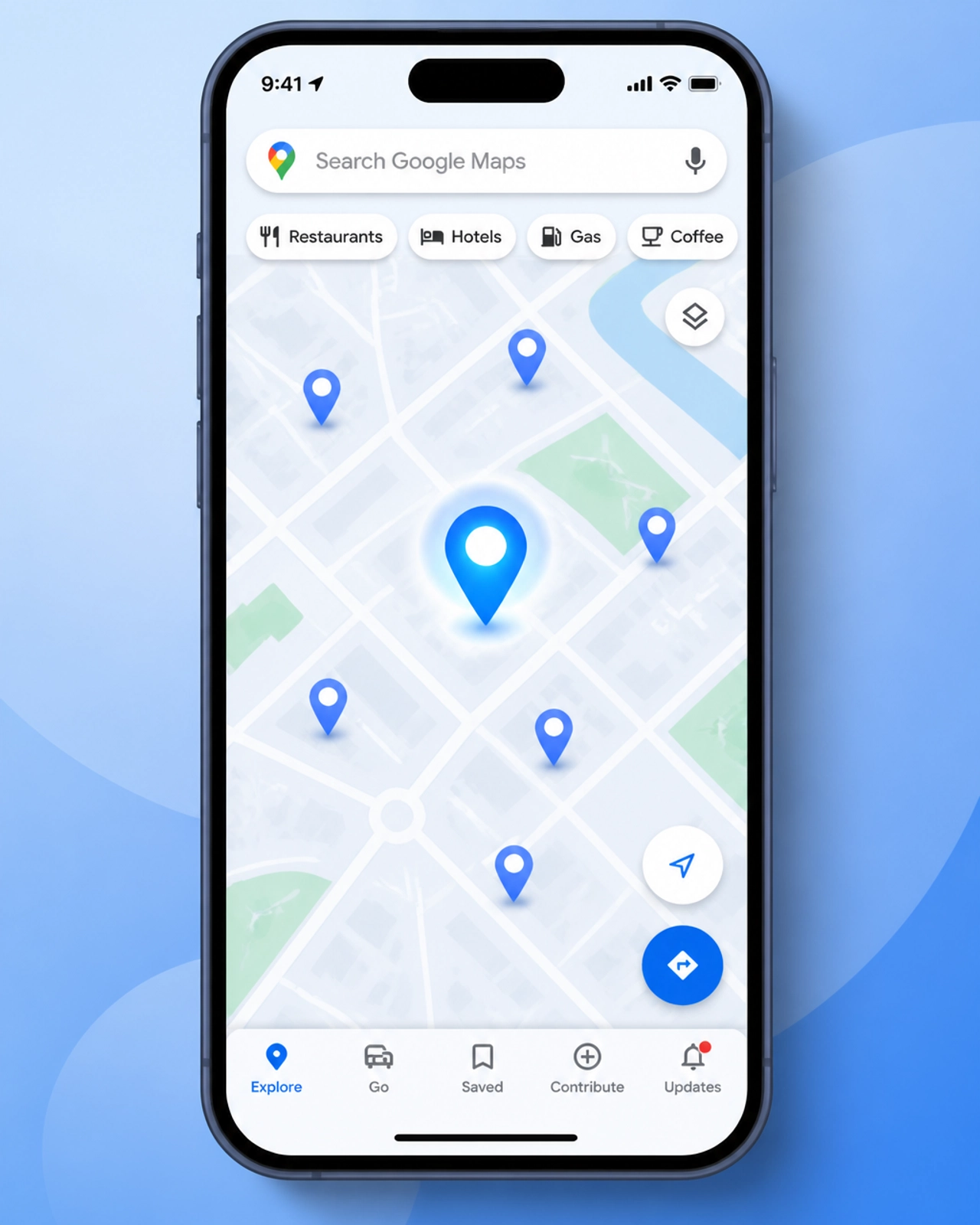
2. Stealth Profile Edits and Category Weakness
Your Google Business Profile isn't a "set it and forget it" asset. It is a living document that Google: and even the general public: can edit.
Sometimes, a drop in Google Maps rankings happens because of "stealth edits." This could be an automated change from Google’s AI, a suggestion from a user that was automatically accepted, or even a third-party tool you connected months ago that accidentally overwrote your data.
Common issues include:
Primary Category Changes: If your primary category was changed from "Plumber" to "Heating Contractor," you might disappear for plumbing-specific searches.
Website Link Issues: If the link on your profile is broken or redirecting incorrectly, Google loses trust in your listing.
Address/Map Pin Shifts: Even a tiny move of your map pin can change how Google calculates your proximity to the center of town.
We’ve seen businesses like Cardinal Plumbing thrive because they maintain total clarity and consistency in their messaging and profile data. When your data is messy, Google hides you.
3. Competitive Leapfrogging (The Optimization Gap)
In many cases, you didn't necessarily do anything "wrong": your competitors just started doing things better.
Local SEO is a race without a finish line. While you were busy running your business, your competitor down the street might have hired an agency to clarify their messaging using a framework like StoryBrand. They might be posting weekly updates to their profile, adding high-quality photos of their latest jobs, and ensuring their website is lightning-fast.
When a competitor optimizes their profile and you stay stagnant, you don't stay in second place: you drop. Google rewards the business that provides the most updated, relevant, and engaging information to its users.
Why this matters: Doing "nothing" is a strategy, but it’s a losing one. If you look just like everyone else, or worse, you look like a business that hasn't updated its info since 2022, the customer (and Google) will choose the obvious, active choice every time.

4. Review Velocity and "Fresh" Engagement
Most business owners know they need reviews. But what many don't realize is that Review Velocity: the speed and consistency at which you get new reviews: is often more important than your total count.
If you have 500 reviews but haven't received a new one in three months, Google sees your business as "cooling off." Meanwhile, a competitor with only 100 reviews who is getting three new ones every week will often outrank you in Google Maps results.
Beyond just the stars, Google looks at engagement:
Are people clicking "Call" from your profile?
Are they requesting directions?
Are they spending time looking at your photos?
If your engagement drops because your profile is boring or outdated, your rankings will follow. This is why we focus so heavily on local visibility: it’s about keeping the "signal" to Google loud and clear.
5. Changes in the Google Search Layout
Finally, sometimes your "rank" hasn't actually dropped, but your visibility has. Google is constantly experimenting with the layout of the search results page.
In the last year, Google has pushed more Local Services Ads (LSAs) and traditional Google Ads to the top of the page. They are also introducing "AI Overviews" that take up significant real estate at the top.
Even if you are still the #1 organic result in Google Maps, you might now be halfway down the phone screen because of these new features. If you aren't playing the full game: including owning your local visibility and potentially using paid traffic: you are fighting for a shrinking piece of the pie.
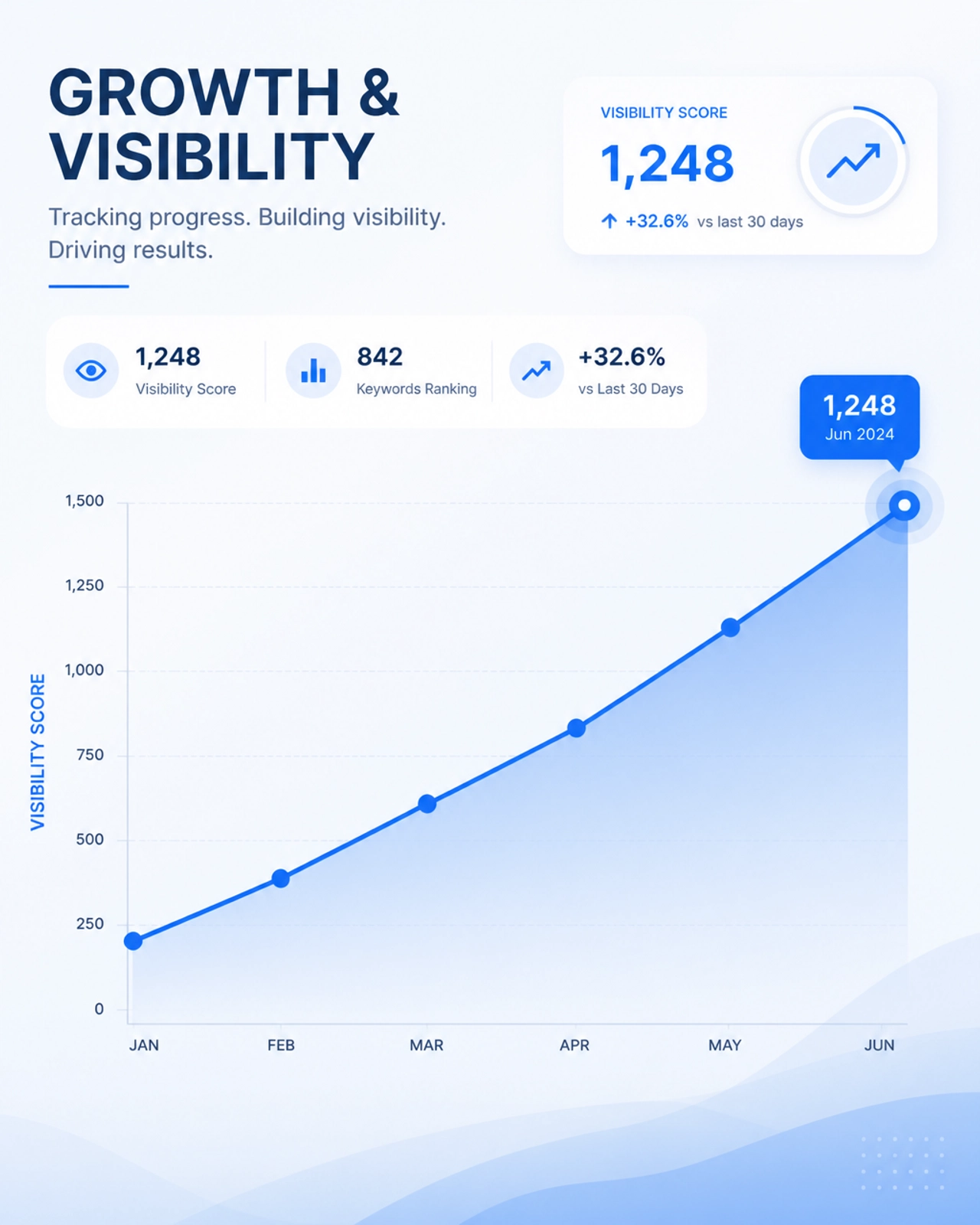
Why This Matters: The Invisible Growth Cap
Being "hard to find" is a quiet killer for a local service business. You might be the best roofer or lawyer in town, but if you don't show up when a buyer is ready to act, you don't exist to them.
Relying on word-of-mouth is great for maintaining a business, but it’s rarely enough for predictable, aggressive growth. When you lose your spot in Google Maps results, you lose the ability to capture new customers who don't already know your name. You are essentially putting a cap on how big your business can get.
At Kudzu Digital, we don't believe in "vanity metrics" like impressions or "likes." We care about phone calls, form fills, and revenue. We help you stop being invisible by clarifying your message and dominating your local market.
Stop Guessing and Start Growing
If you’ve seen your rankings slip, or if you’ve never been able to break into those top spots in the first place, it’s time for a professional look under the hood.
We offer a Free Visibility Audit that shows you exactly where you stand, where your competitors are beating you, and what steps you need to take to reclaim your territory. No fluff, no sales pressure: just the data you need to make the best choice for your business.
Ready to see what's actually happening with your local search results on Google Maps?
Request Your Free Visibility Audit Today